Meccha Chameleon Tips for Beginners
Meccha Chameleon is easy to start and surprisingly easy to mess up. These are the few habits that separate a player who gets tagged in ten seconds from one who survives the round — including the single biggest mistake almost every new player makes.
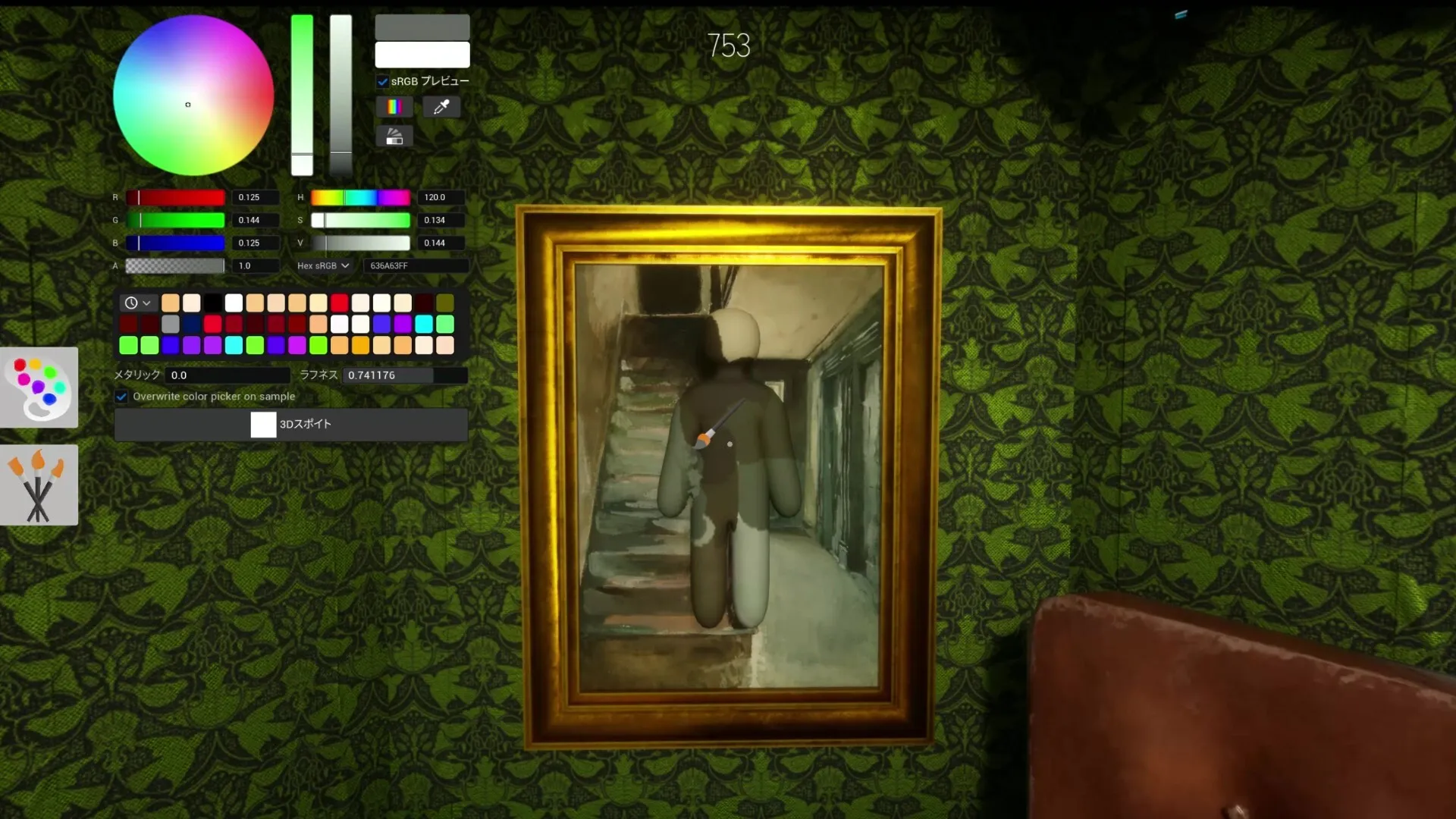
Three habits to build first
The official beginner advice boils down to three things:
- Play both roles early. Hiding teaches you what looks fake; seeking teaches you exactly what gives Hiders away. You can’t hide well until you’ve hunted, and vice versa.
- As a Hider, match the area around you — not a single object. Read the surface behind you and the props beside you, and paint to the whole cluster.
- As a Seeker, scan the whole room before chasing one odd object. The first thing you notice is often a decoy.
Common rookie errors to avoid
- Choosing a color that matches one object but not the surrounding area.
- Standing too neatly in the center of a space.
- Repeating a prop shape in a room that has no similar props.
- Leaving white gaps between your limbs — white elbows end rounds fast.
- Fidgeting during the hunt. Micro-movement is the number-one tell.
Use the eyedropper from minute one
Don’t try to mix a color by hand as a beginner. The eyedropper (the Spoid) copies a color straight off any nearby surface — it’s the fastest path to a clean base match and the tool experienced players lean on most. Sample first, then refine.
Frequently Asked Questions
My disguise looks perfect to me. Why do I still get tagged?
Because you’re looking at it in first-person. That’s the most common beginner mistake — what looks flawless from your own camera can be obviously off to the Seeker. Switch to third-person and inspect your own silhouette.
Should I learn Hider or Seeker first?
Both, early. Playing each role teaches you the other — hunting shows you exactly which tells give Hiders away, and that knowledge makes your own disguises far better.
What’s the fastest way to color my chameleon as a new player?
Use the eyedropper tool to sample a color directly off a nearby surface. It’s faster and cleaner than mixing by hand, and it’s the tool most strong players rely on.